The practice
Understanding Card Reading
An educational introduction to tarot: what the cards are, how a reading is structured, and how to use the practice as reflection rather than prophecy.
Foundations
What is card reading?
Card reading is a practice built from four ingredients: a deck of images, a vocabulary of symbolism, the reader's intuition, and a question worth sitting with. A card is drawn, described and interpreted — and the interpretation is where the real work happens.
Tarot decks traditionally hold 78 cards: 22 Major Arcana describing broad life themes, and 56 Minor Arcana across four suits — Cups, Swords, Wands and Pentacles — describing the texture of daily experience.
Nothing in the deck is mechanical. The same card, in a different position, for a different question, reads differently. That flexibility is a feature: it forces the reader to think rather than recite.
Step by step
How does card reading work?
- 01
Choose your cards
Settle the question, shuffle without hurry, and draw the number you decided on.
- 02
Explore the symbolism
Describe what you actually see — figures, colours, direction, repeated shapes — before naming meanings.
- 03
Interpret the spread
Let each position give its card a role, then read the cards in relation to one another.
- 04
Reflect on the message
Ask what the reading illuminates about your own thinking, not what it decrees.
- 05
Make your own decisions
The reading informs; the choice, and the responsibility for it, stays with you.
The decks
Four card backs, four worlds
Each family of cards carries its own artwork, symbols and colour language. Hover or tap a deck to turn it.
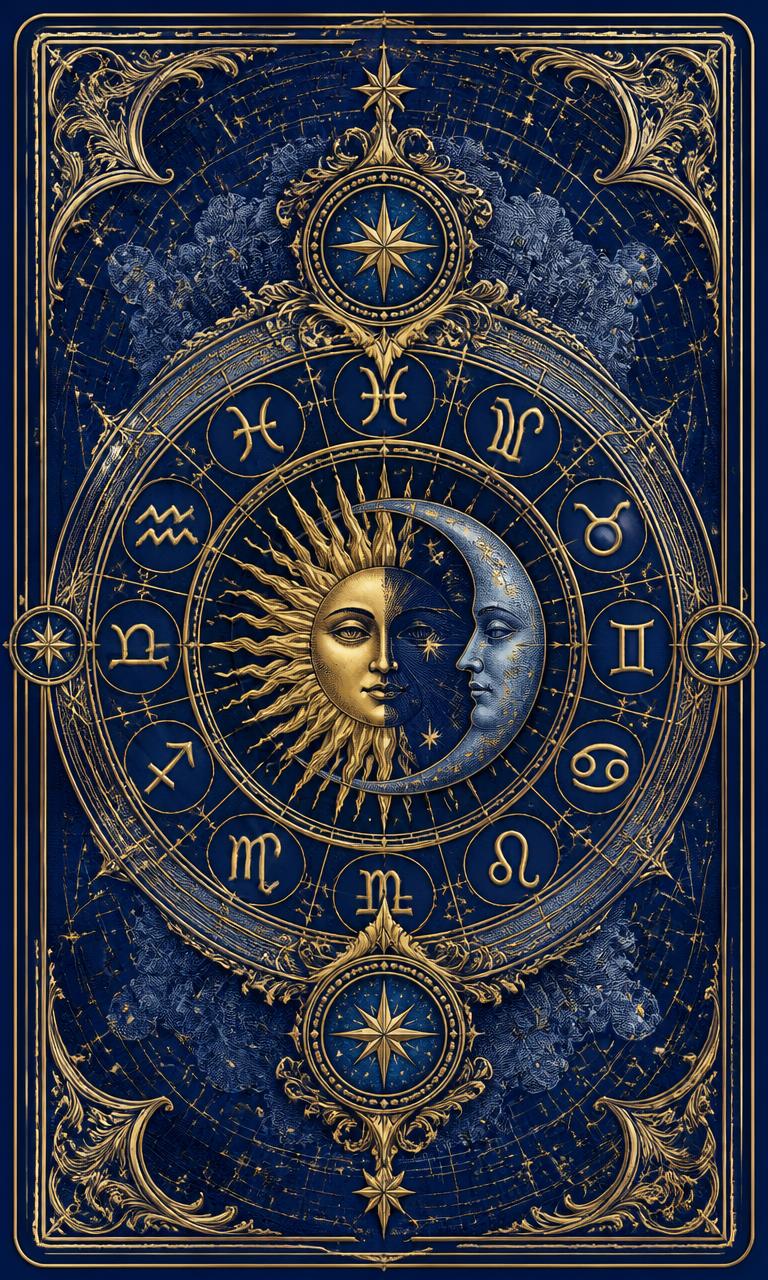 Royal blue · celestialMajor ArcanaSun-and-moon mandala ringed by the twelve zodiac glyphs.
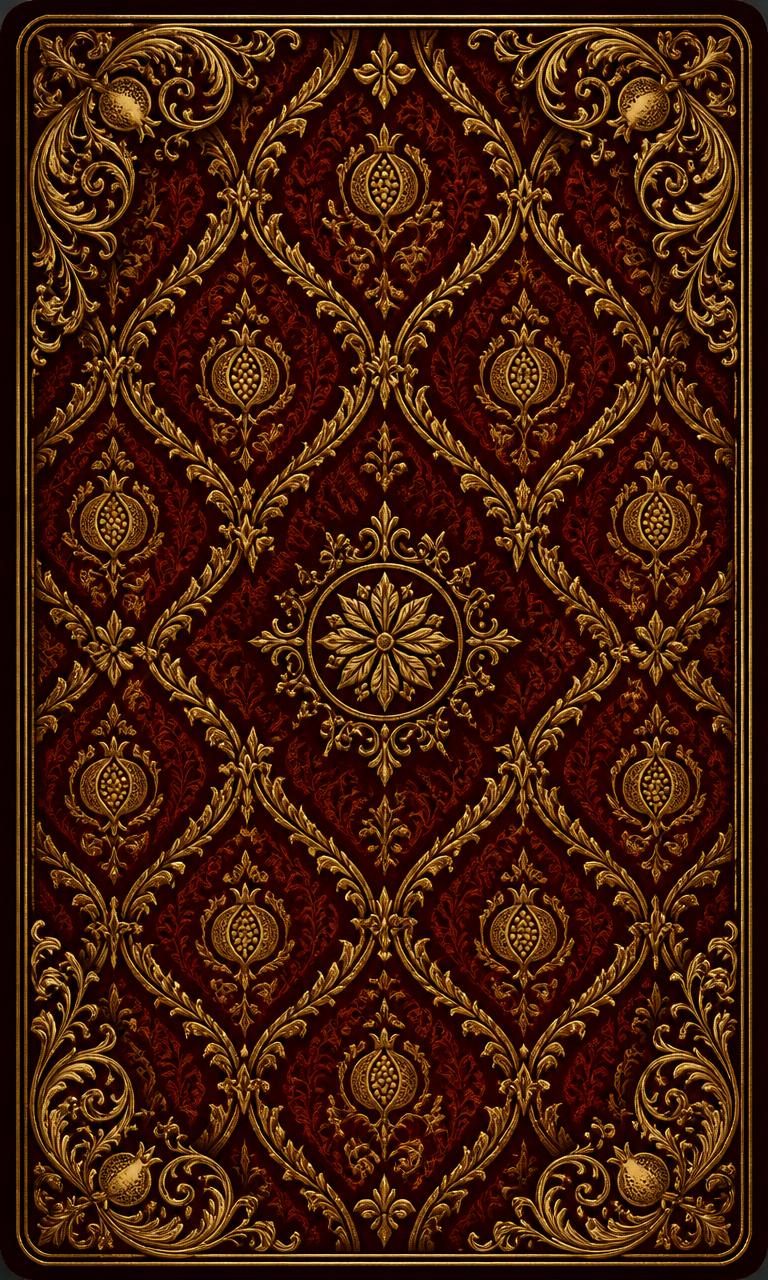 Crimson · baroqueMinor ArcanaVelvet damask lattice with gilded pomegranate medallions.
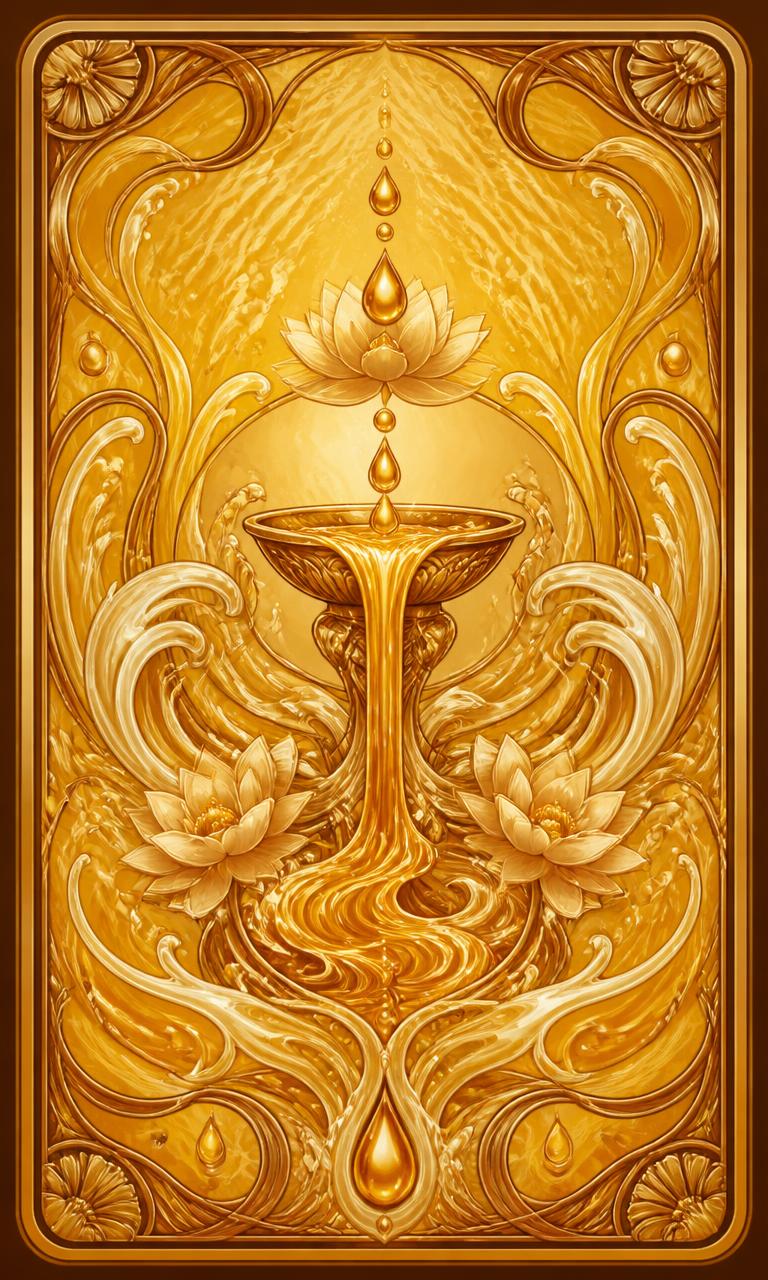 Golden · flowingCupsArt nouveau chalice pouring lotus-crowned water.
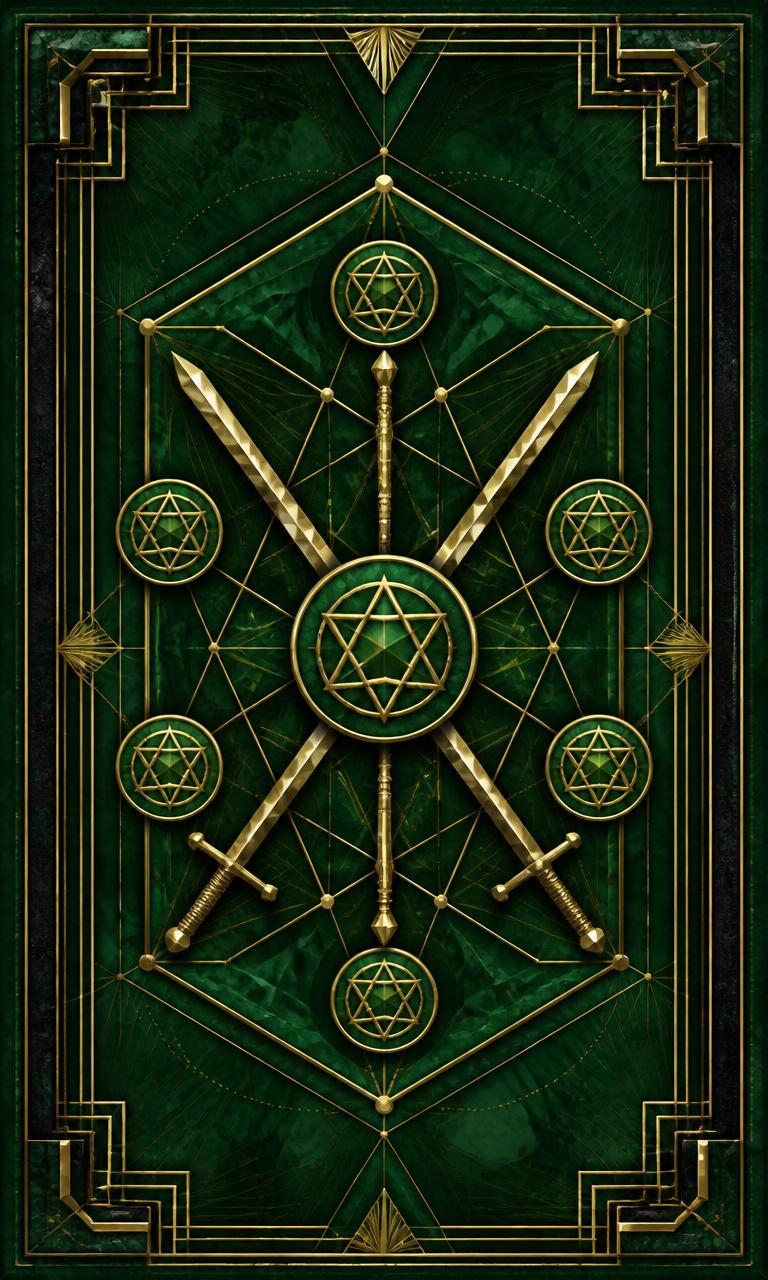 Emerald · geometricSwords · Wands · PentaclesAlchemical grid of crossed blades, wands and coins.
Interactive library
Understanding tarot cards
Select a category, then open any card for its symbolism, traditional meaning, upright and reversed interpretations, and reflection questions.
Honest framing
Card reading & luck
“Card reading can be used as a reflective practice to help you think about possibilities, patterns and choices. It does not guarantee specific outcomes or determine the future.”
People often come to the cards while weighing an opportunity, a relationship or a change of direction. Used well, a reading slows that thinking down and gives it structure — it surfaces what you already suspect and questions you had not asked.
Mystical & Intuitive makes no promises about wealth, luck, love or future events. What we teach is interpretation, symbolism and responsible practice. Decisions and their consequences remain yours.